Herbs named
in the tablets.

The cuneiform medical texts identify each herb by its Sumerian or Akkadian name. Every ingredient we use has been traced from ancient text to modern botanical species — and we publish that trace for every formula.

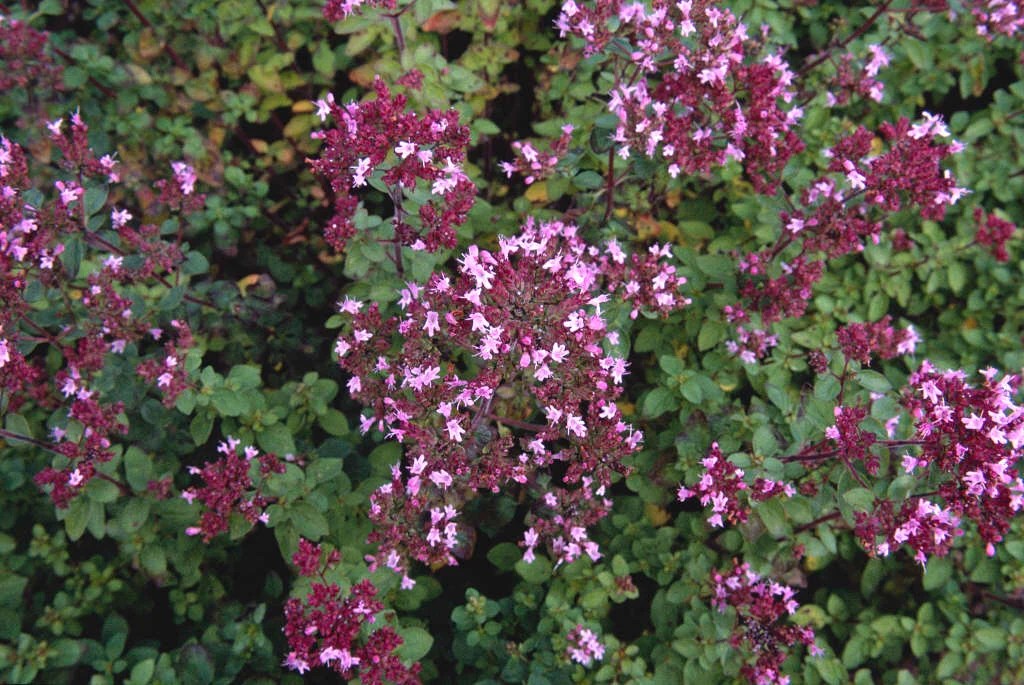
Origanum compactum — mountain herb of ancient Mesopotamia

ú.KUR.ra

Akkadian: šammu ša šadî

Mountain Herb
Origanum compactum

One of the most frequently cited herbs in Mesopotamian medical texts, ú.KUR.ra — literally "herb of the mountain" — appears in formularies for respiratory conditions, infections, and digestive complaints. Cross-referencing with Greek and Egyptian medical texts that identify similar herbs from the same region has led to its provisional identification as Origanum compactum, a compact oregano species native to the mountainous regions of the ancient Near East.

Modern phytochemical analysis confirms potent antimicrobial and antifungal properties consistent with its ancient therapeutic applications.
Astragalus — sacred wood-herb of Mesopotamian medicine

GIŠ.Ú

Akkadian: baltu

Sacred Wood-Herb
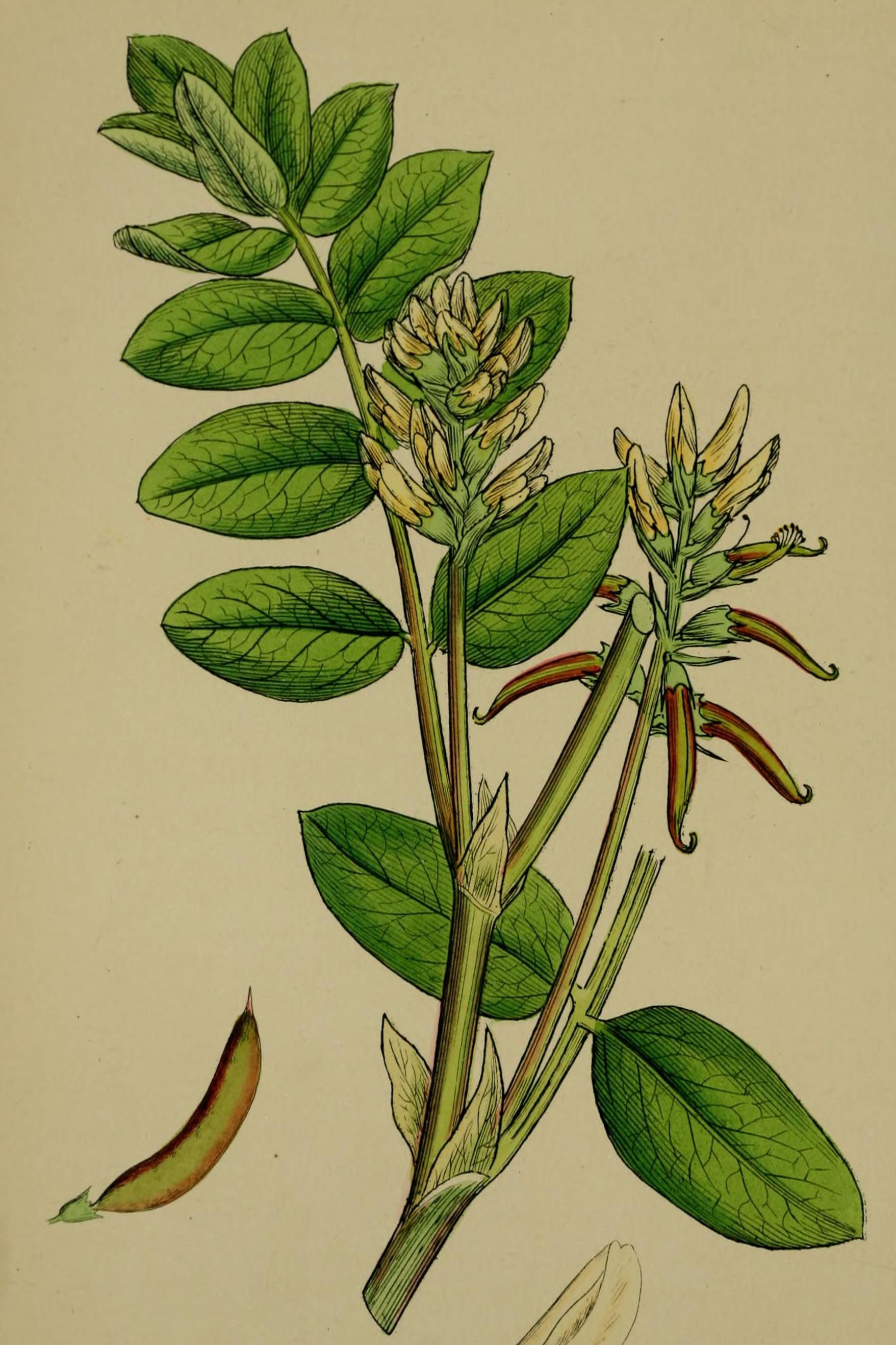
Astragalus sp.

GIŠ.Ú — "wood-herb" or "tree-plant" — appears in Assyrian texts associated with restoration of vital energy, convalescence from illness, and what modern interpreters might call adaptogenic properties. The term baltu, from the root meaning "to live," reinforces its life-force connotation.

The genus Astragalus is widely distributed across the ancient Near East, and the specific properties described in the tablets — immune potentiation and fatigue resistance — correspond closely to those now documented for Astragalus membranaceus, also known as Huang Qi.

Boswellia sacra — frankincense tree, the divine fragrant herb of Nineveh

DINGIR.šim

Akkadian: inarātu

Divine Fragrant Herb
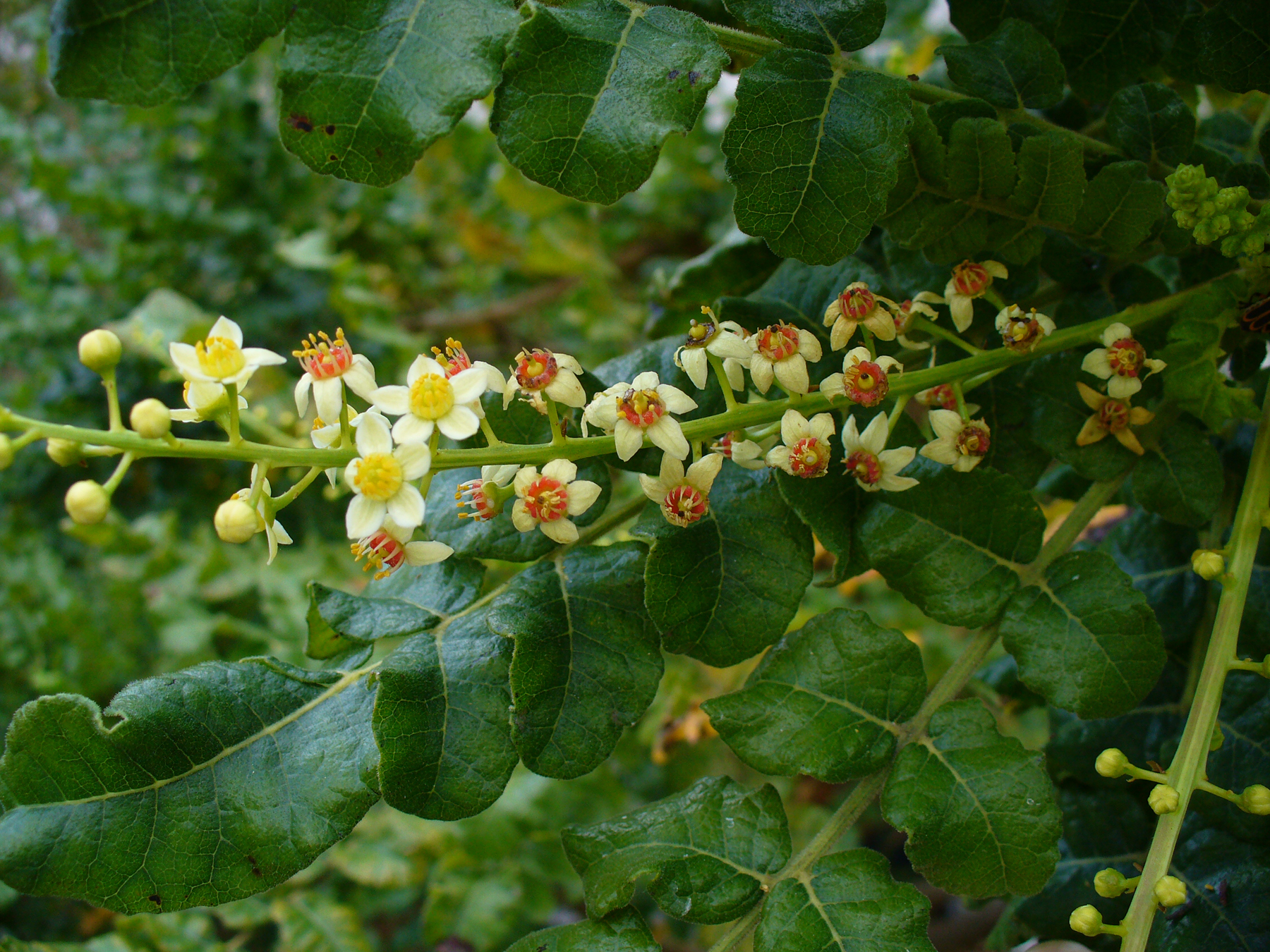
Boswellia sacra

The "divine fragrant herb" (DINGIR.šim) is among the most identifiable herbs in Mesopotamian texts. Its close association with ritual, its distinctive aroma, and its widespread trade throughout the ancient world make it one of the few ingredients with near-certain identification: Boswellia sacra, the frankincense tree, native to Oman, Yemen, and the Horn of Africa.

In the Nineveh medical texts, frankincense resin appears in formularies for inflammatory conditions and respiratory disorders. Contemporary research confirms significant anti-inflammatory activity through inhibition of the 5-lipoxygenase pathway. This is the active ingredient in our Frankincense formula.

Nigella sativa — black seed, the life herb of ancient Mesopotamia

ú.ZI

Akkadian: anzanzaru

The Life Herb
Nigella sativa

ú.ZI — "the living herb" — is perhaps the most extensively prescribed plant in all Mesopotamian medicine. Its Akkadian name anzanzaru appears across ritual, medical, and agricultural texts with a frequency that places it above almost every other botanical in the entire corpus.

It is identified with near-certainty as Nigella sativa (black seed, black cumin). The tablets describe its use for respiratory conditions, digestive disorders, and general vitality — applications that align directly with contemporary clinical research on thymoquinone, its primary active compound. It is the foundation of our Black Seed Oil formula.