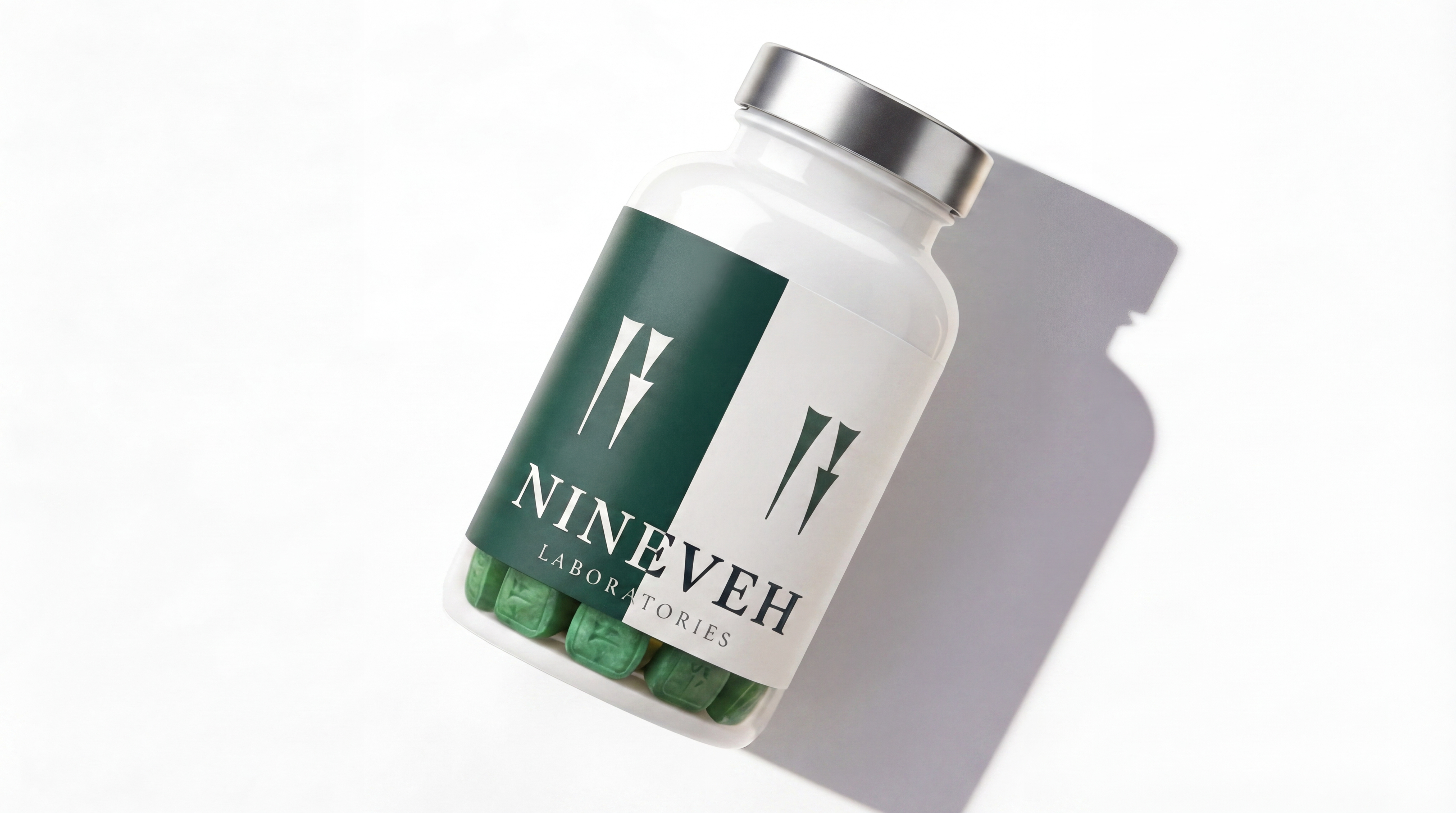
inarātu · DINGIR.šim
Frankincense
Boswellia serrata resin — recorded across Assyrian medical texts as the "divine fragrant herb." Cold-processed. Single-source.
LDL Cholesterol
Optimal range
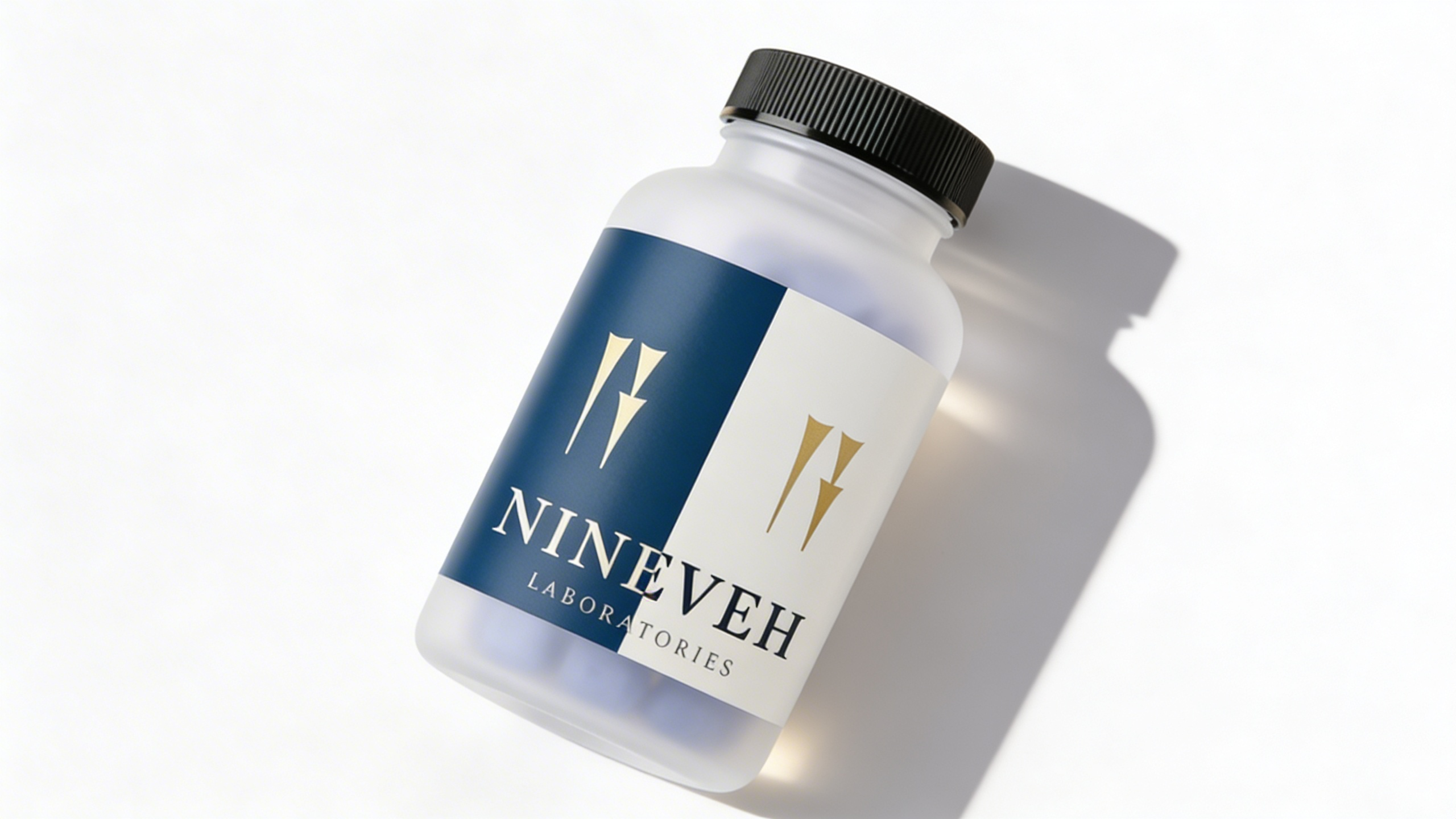
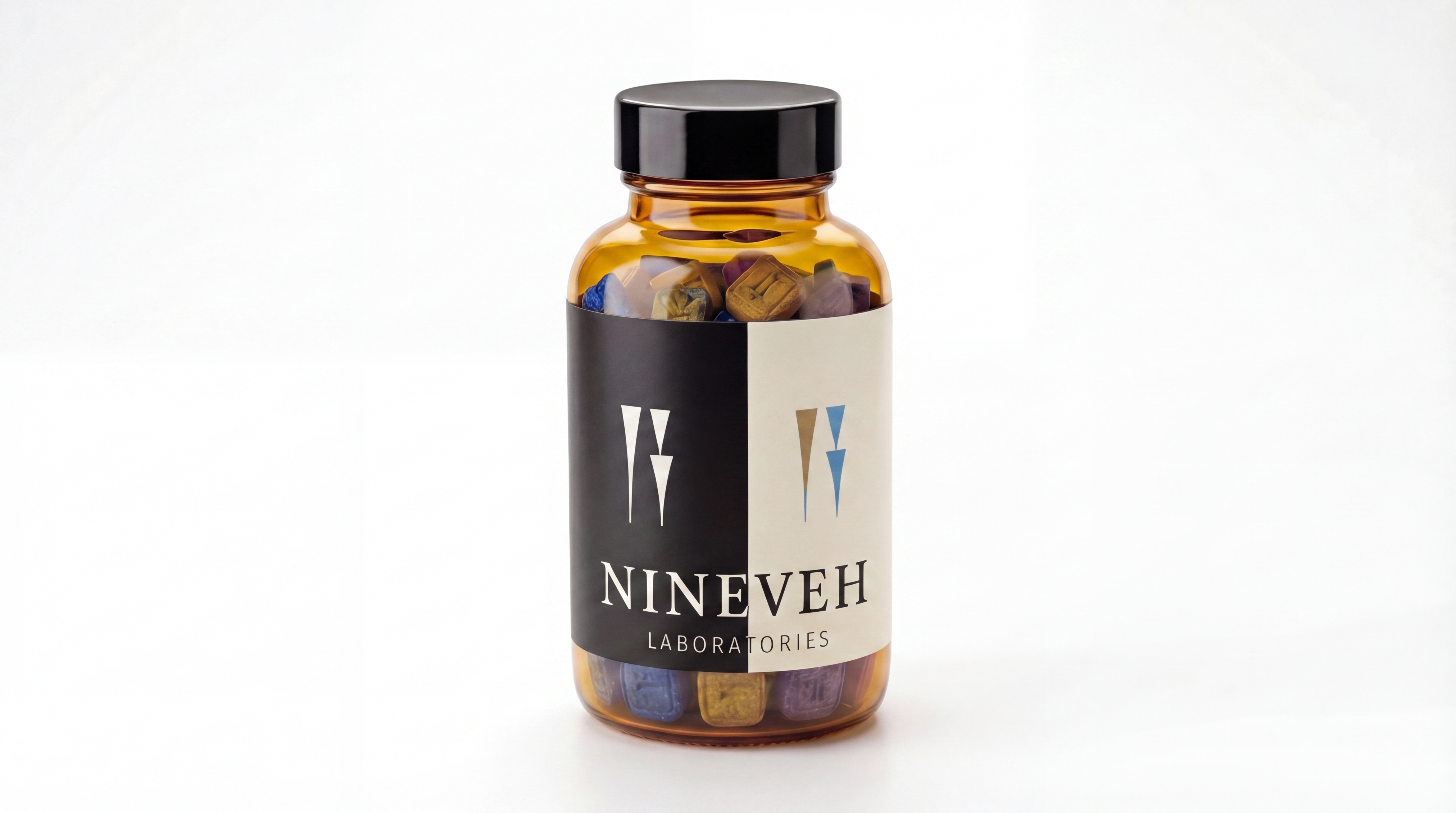
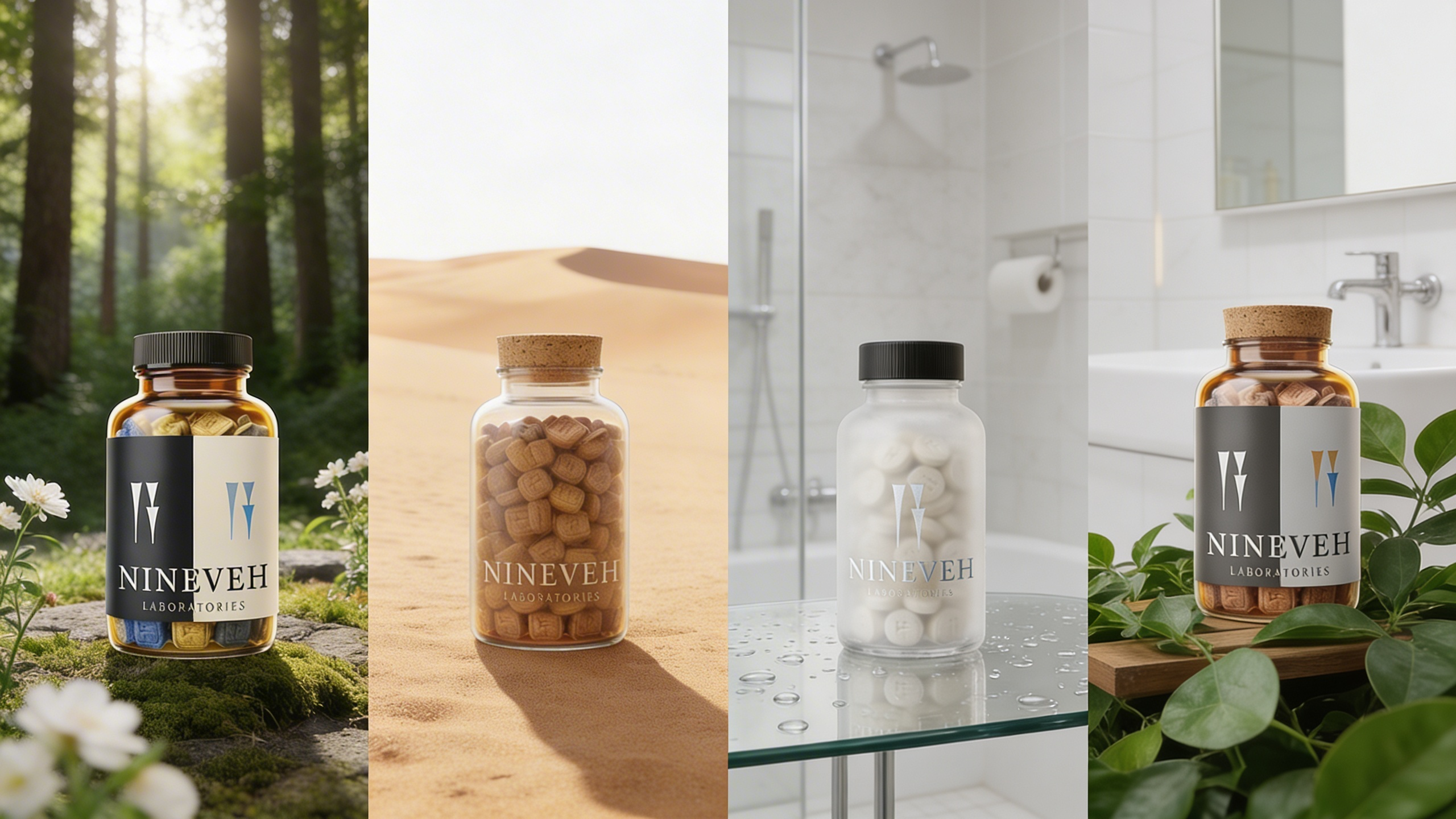
Nineveh Laboratories
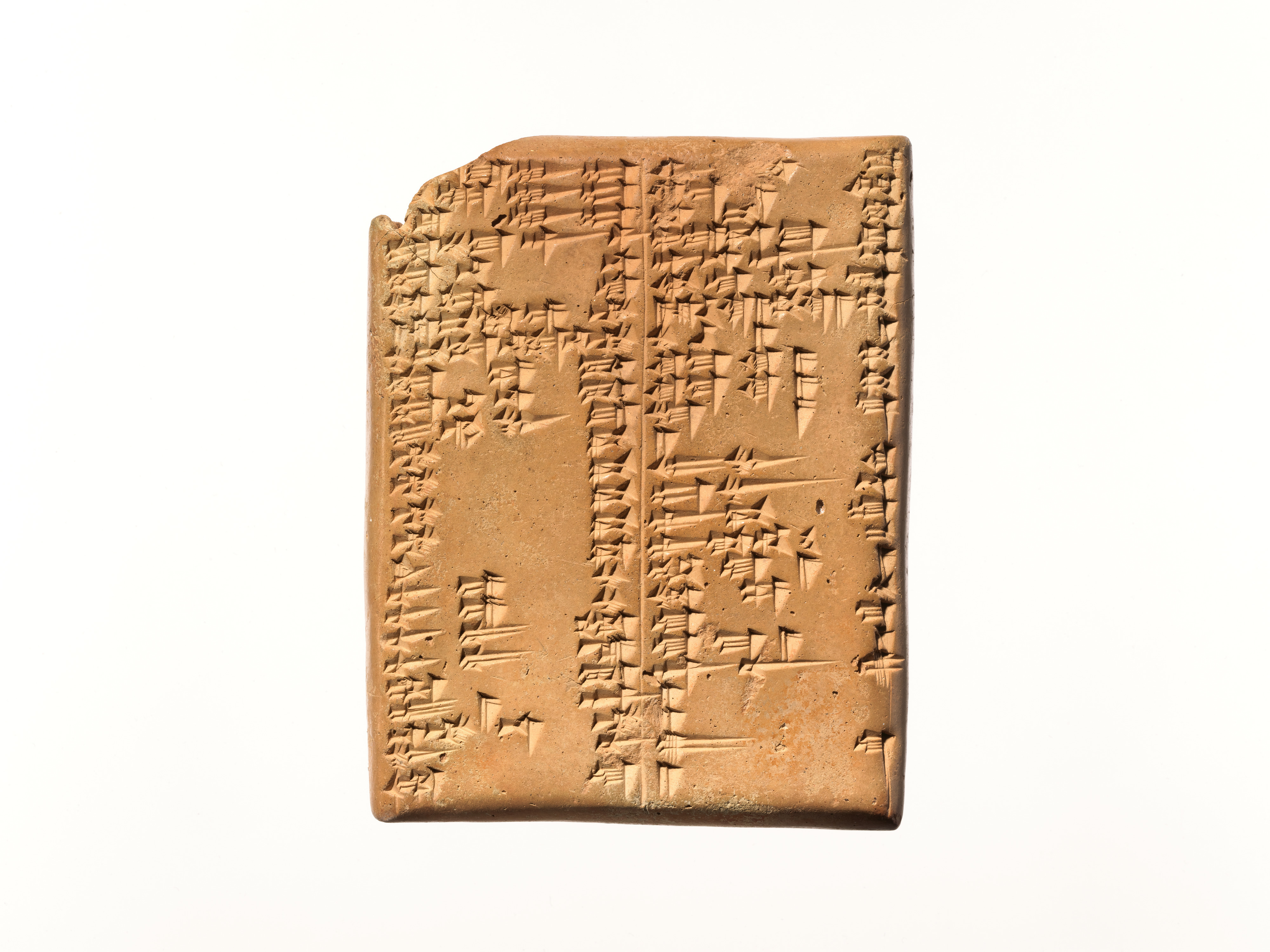
The medical texts of ancient Nineveh — capital of the Assyrian Empire — contain the most extensive botanical formularies ever recorded in clay. Cuneiform scholars have spent generations deciphering them. We have spent years turning three of those formulas into products you can take today.
Read the story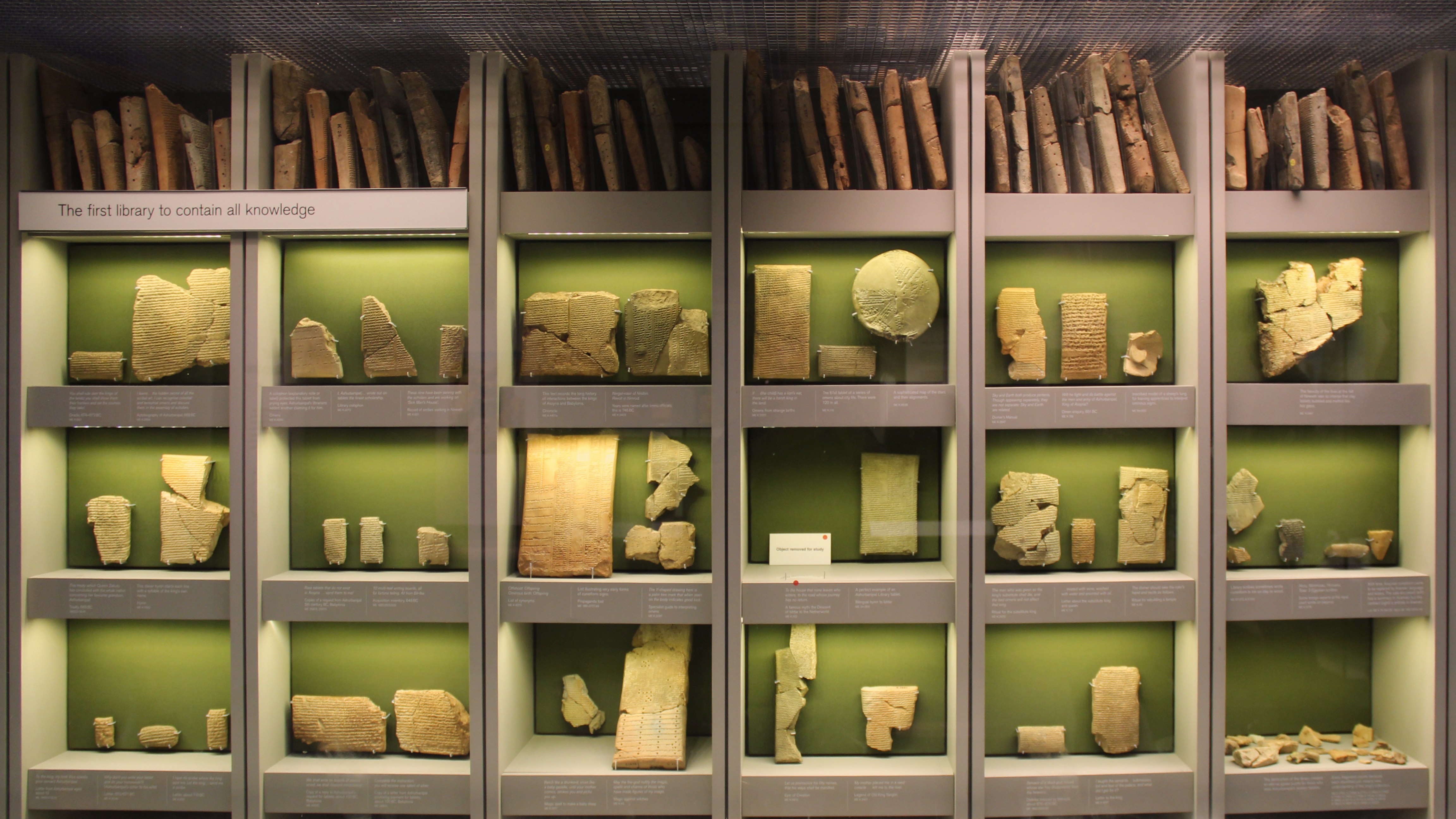
Library of Ashurbanipal, Nineveh · c. 650 BCE · The oldest known library in the world
The Formulas
inarātu · DINGIR.šim
Boswellia serrata resin — recorded across Assyrian medical texts as the "divine fragrant herb." Cold-processed. Single-source.
kurkuma · filfil aswad
Curcumin activated by piperine — the combination documented across both Mesopotamian and classical botanical traditions. As the texts intended.
ú.ZI · anzanzaru
Nigella sativa — the herb the Mesopotamian scribes called anzanzaru. Prescribed in more cuneiform formularies than almost any other botanical. Cold-pressed. Nothing added.
The Source
Buried beneath the ruins of Nineveh — capital of the Assyrian Empire — archaeologists uncovered tens of thousands of clay tablets inscribed with cuneiform script. Among them: a medical corpus of extraordinary depth.
The tablets document plant compounds, preparation methods, and therapeutic applications recorded by Assyrian physicians more than 5,000 years ago. Nineveh Laboratories was built on a single question: what if those formulas could be made available now?
The Standard
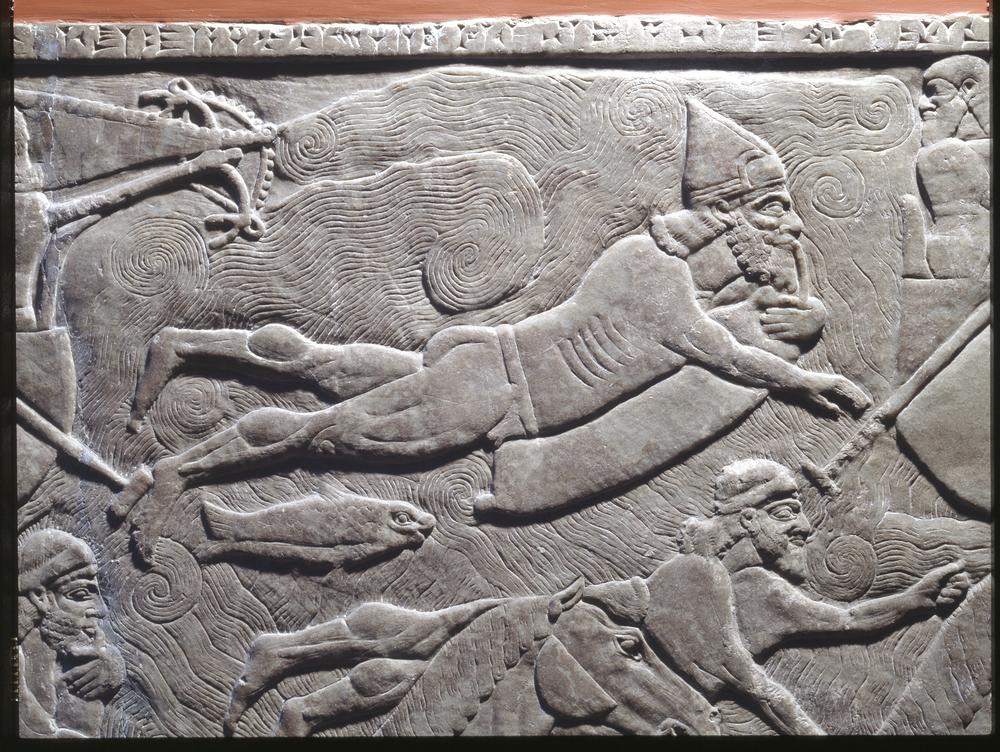
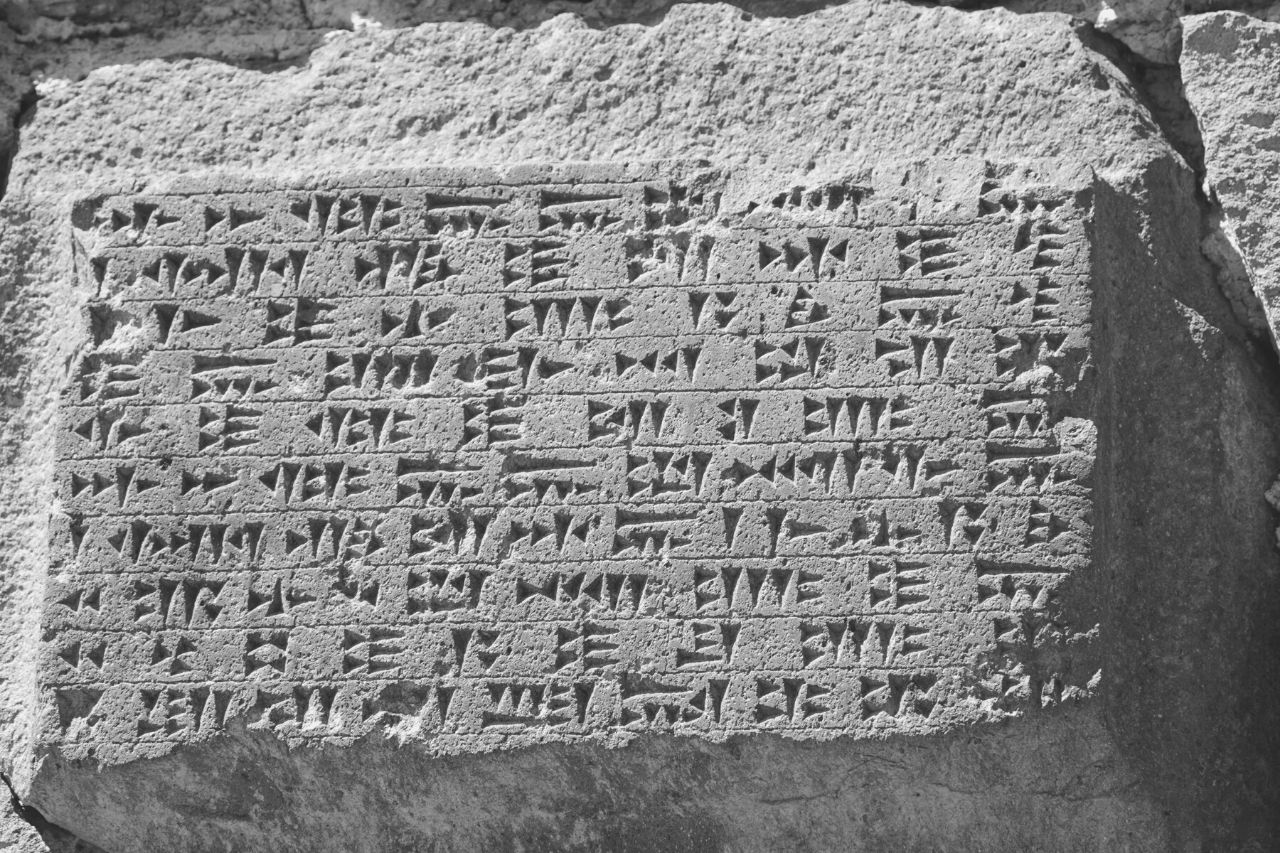
Every product traces to a documented cuneiform botanical record. Not "inspired by ancient wisdom" — grounded in the actual texts. The Archive documents our working.
We know where each ingredient comes from. One origin. One standard. If we can't source the correct species to the quality the tablet text describes, we don't make the product.
We document our sources openly and acknowledge where the historical record is ambiguous. The Nineveh method is not a marketing claim — it is a methodology.
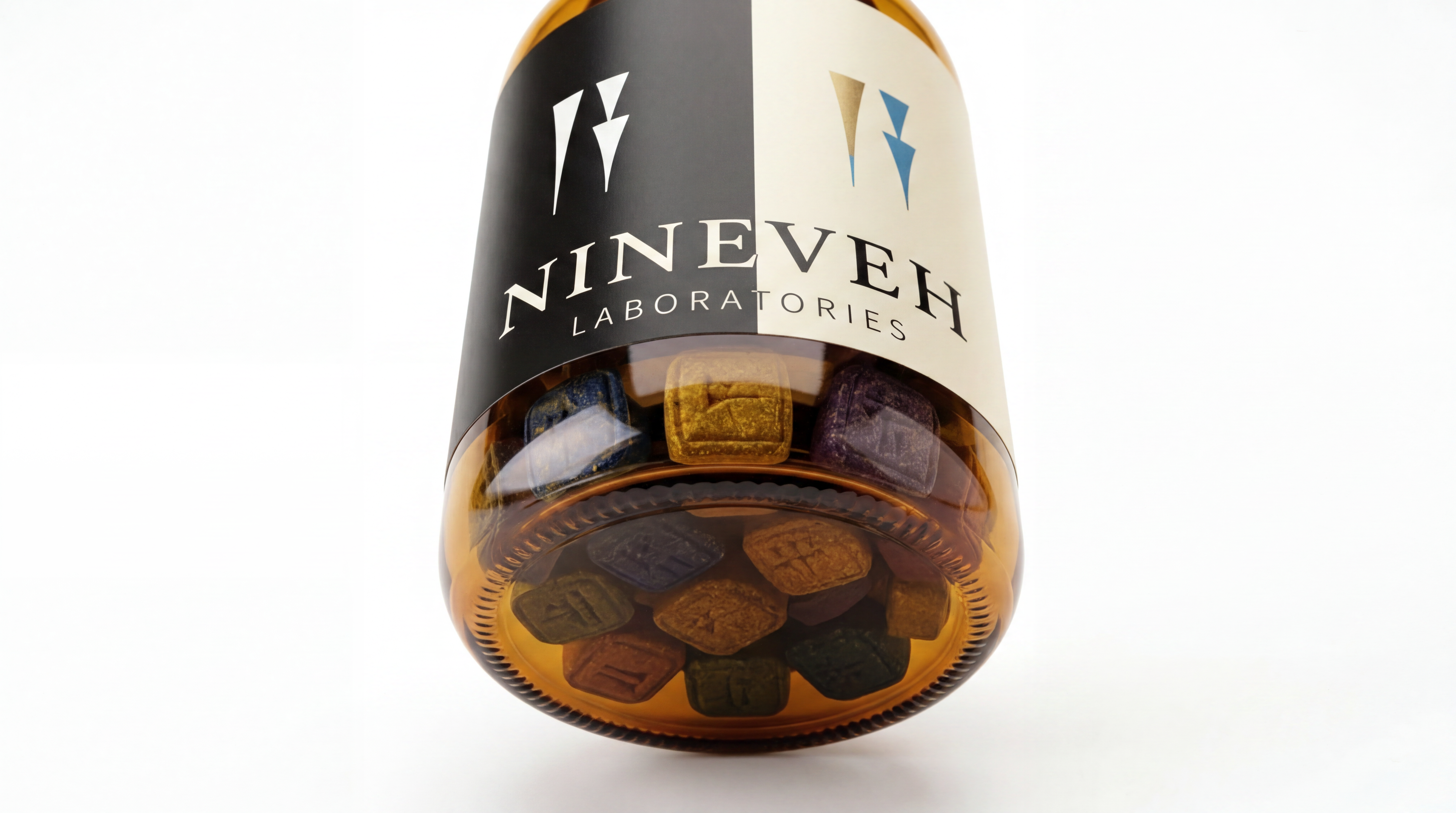
No fillers. No binders. No bulking agents. The formula contains exactly what the cuneiform text describes. The form is the message.
Supplements
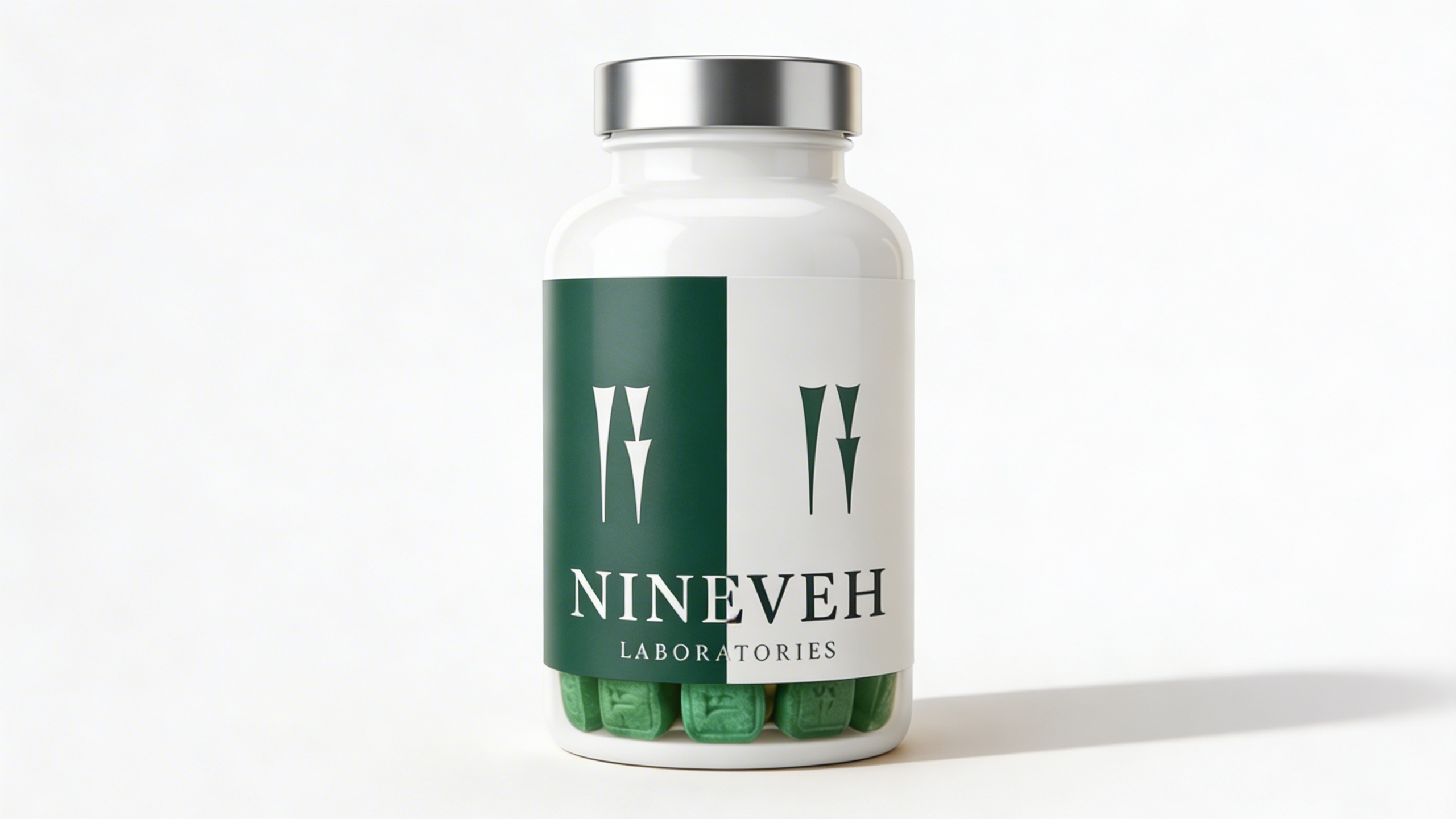
Decoded from 5,000-year-old cuneiform tablets. Rigorously sourced, transparently dosed, and grounded in published research.
Shop the Formulas →In Development
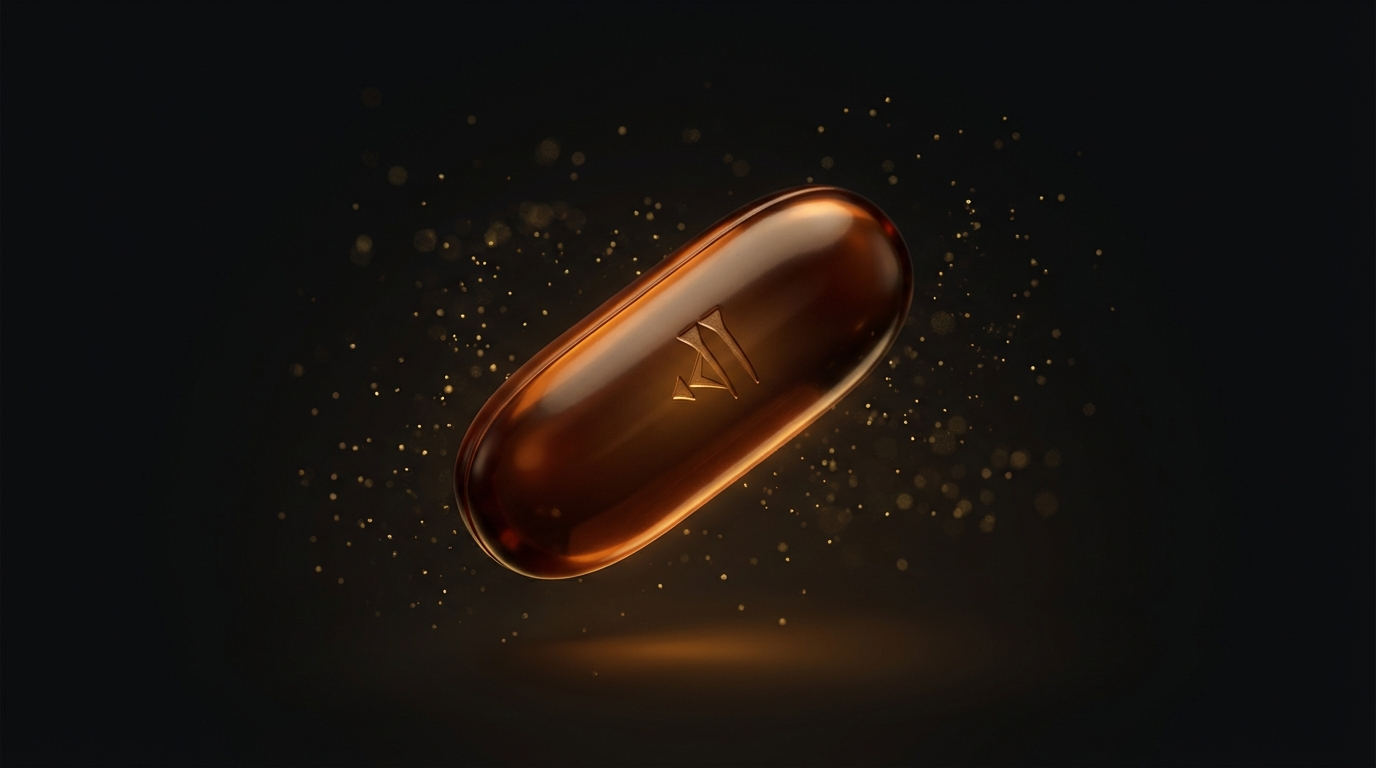
The cuneiform corpus contains hundreds of documented botanical compounds. We are working through them. Chewable formats and a new capsule range are in formulation, rooted in the same archaeological rigour.
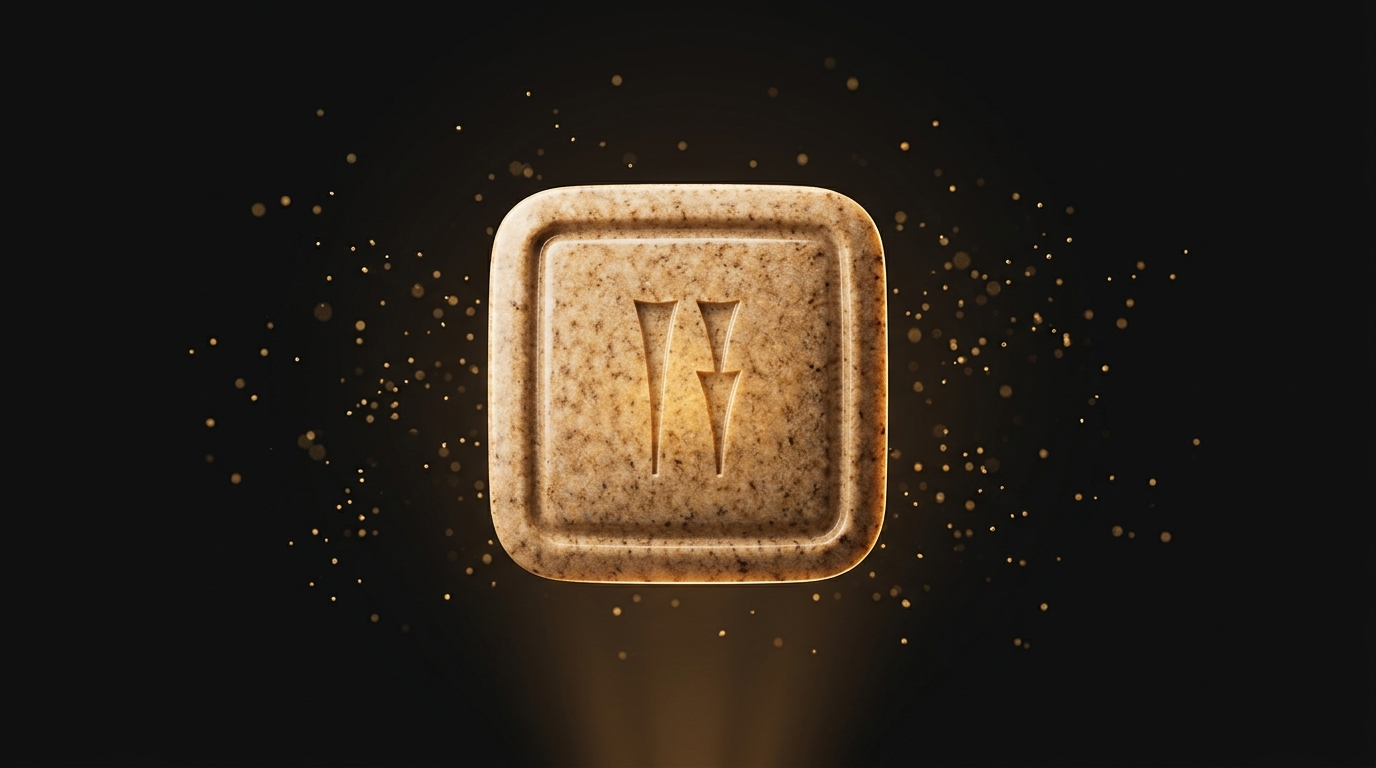
Follow the researchWe're going back 5,000 years, reading cuneiform tablets — and redefining what tablets look like. Ancient ingredients, backed by modern research, delivered in a form fit for today.
Cosmetics
The same cuneiform corpus that informed our supplements documented preparations for the skin. We are building a cosmetics range rooted in the same archaeological rigour.
In DevelopmentFood & Botanicals
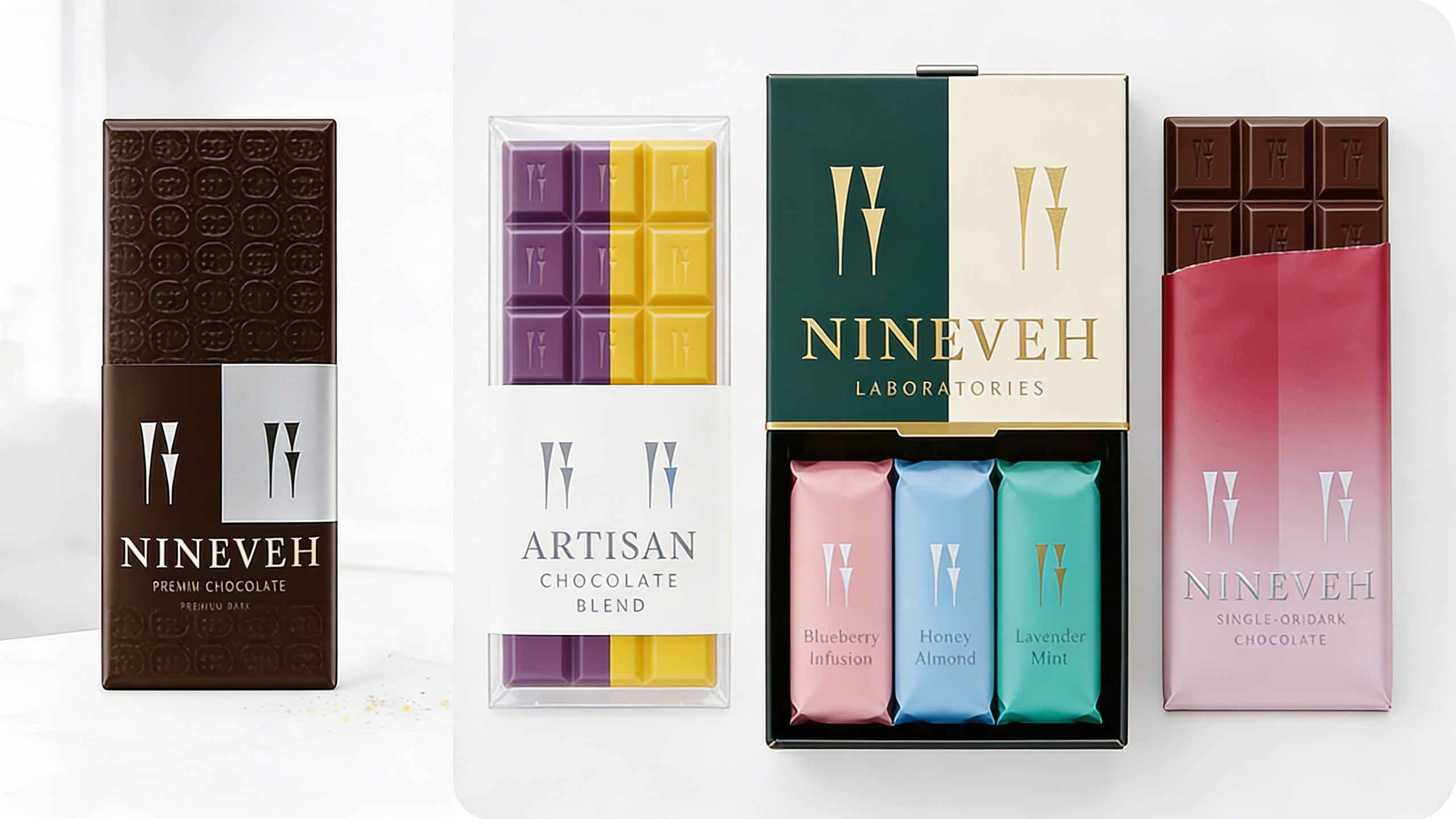
Ancient Mesopotamia documented not just medicine, but food as medicine. Our botanicals range will bring these preparations — adaptogens, ritual foods, and functional ingredients — into modern form.
In DevelopmentThe Journal
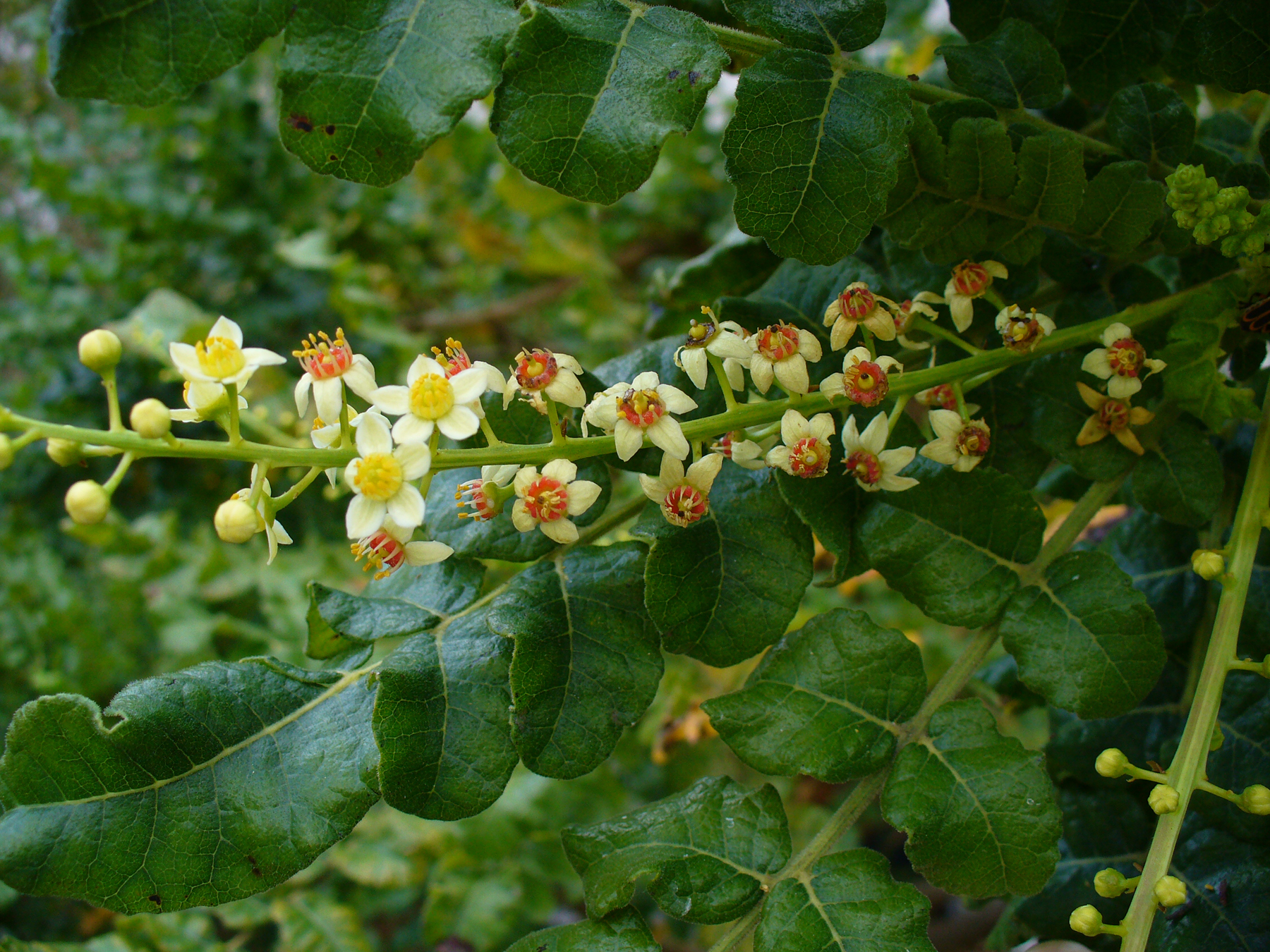
Of the herbs named in the Mesopotamian medical corpus, Nigella sativa appears more frequently than almost any other. Here is what the tablets actually say.
Read →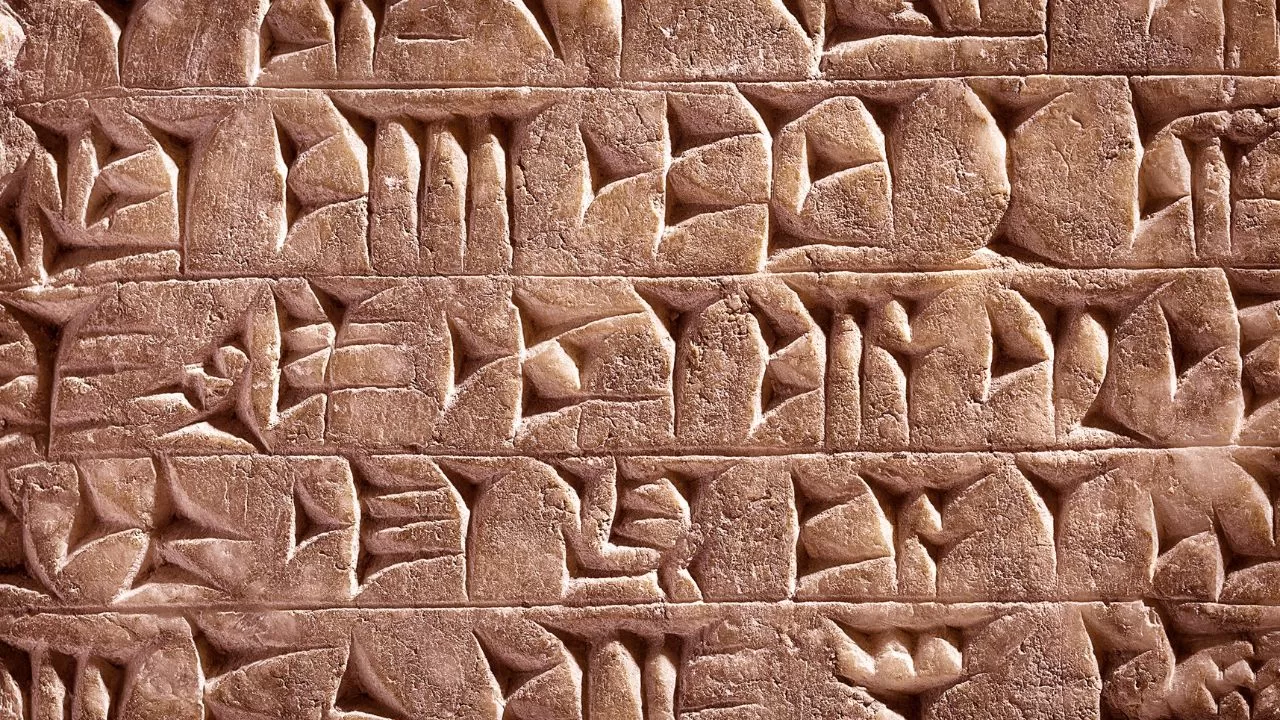
The Assyrian medical texts aren't recipes in any simple sense. Understanding them requires knowing how the scribes thought.
Read →
The royal library held over 30,000 clay tablets. This is the collection that gives the brand its name — and its foundation.
Read →